

Search Website
Teaching Fellows
Western’s Teaching Fellows are outstanding educators who, in partnership with the Centre for Teaching and Learning, provide educational leadership to the university community, perform research on teaching and learning, and disseminate the outcomes of their work locally, nationally and internationally.
Generative AI Teaching Fellowships
2025-2027 Generative AI Teaching Fellows
This project integrates Agentic AI, an emerging class of AI that autonomously plans and executes tasks, into classroom learning to create dynamic, simulated decision-making experiences. Initially deployed in a Digital Marketing Analytics course at Ivey Business School, the simulation will focus on equity crowdfunding investment decisions. Unlike traditional generative AI, Agentic AI models can adapt to user inputs, engage in multi-step decision processes, and mirror real-world complexity.
The goal is to help students develop AI literacy and decision-making skills by interacting with a proactive AI agent that simulates investment scenarios based on real-time data. The project includes a research component analyzing how AI-driven outputs impact the investor’s decision-making. Insights will inform both pedagogy and academic research.
Beyond the initial deployment, the tool will be scalable across disciplines, marketing, finance, entrepreneurship, and decision sciences, empowering students to apply analytical thinking and AI-driven strategies to complex, real-world problems. The project will also produce a published teaching case, peer-reviewed research, and faculty workshops to support widespread adoption.
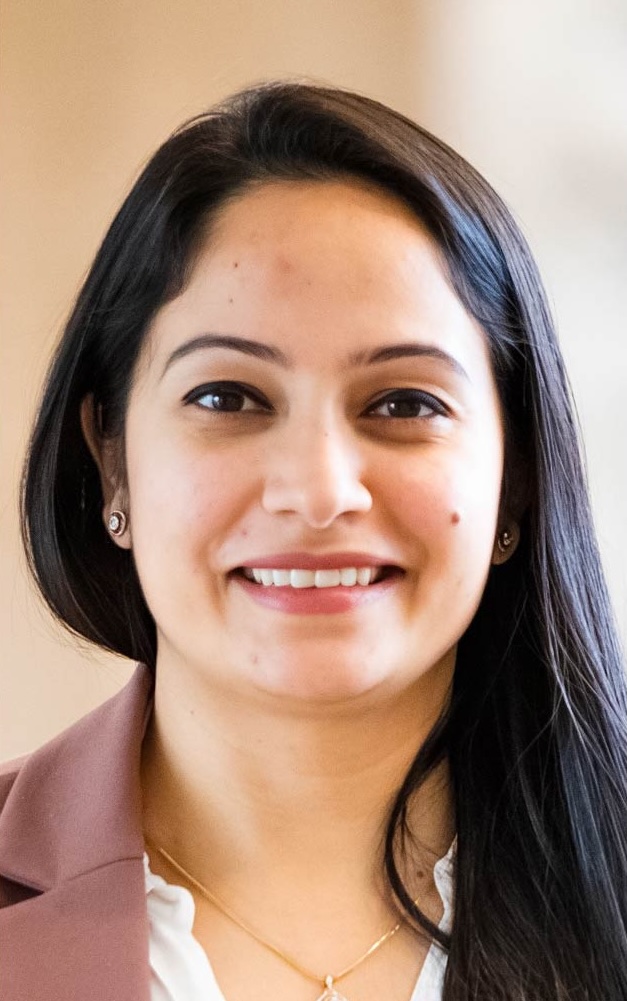
Andrews’ project aims to design, build, and evaluate the impact of a GenAI learning platform on enhancing clinical reasoning through a case-based pedagogy in healthcare programs. The project will use GenAI to create dynamic, adaptable, and realistic case scenarios tailored to meet the individual learning needs of students. This personalized approach seeks to boost engagement and provides students with a space to practice clinical reasoning safely, where they can experiment and learn from feedback without jeopardizing patient safety. Using the Discover, Design/Build, and Test (DDBT) framework, the specific objectives of the project are:
(1) Conducting a needs assessment on the use of AI in physical therapy education and identifying potential barriers and facilitators to implementation.
(2) Designing and building a GenAI platform by fine-tuning existing GenAI tools with clinical cases.
(3) Evaluating the impact, perception, and satisfaction of the new GenAI learning platform on students’ clinical reasoning.
The GenAI-driven adaptive learning platform has the potential to change teaching and learning across various programs within rehabilitation sciences. By leveraging GenAI to enhance clinical reasoning through case-based learning, physical rehabilitation programs can not only improve educational outcomes but also advance the field.
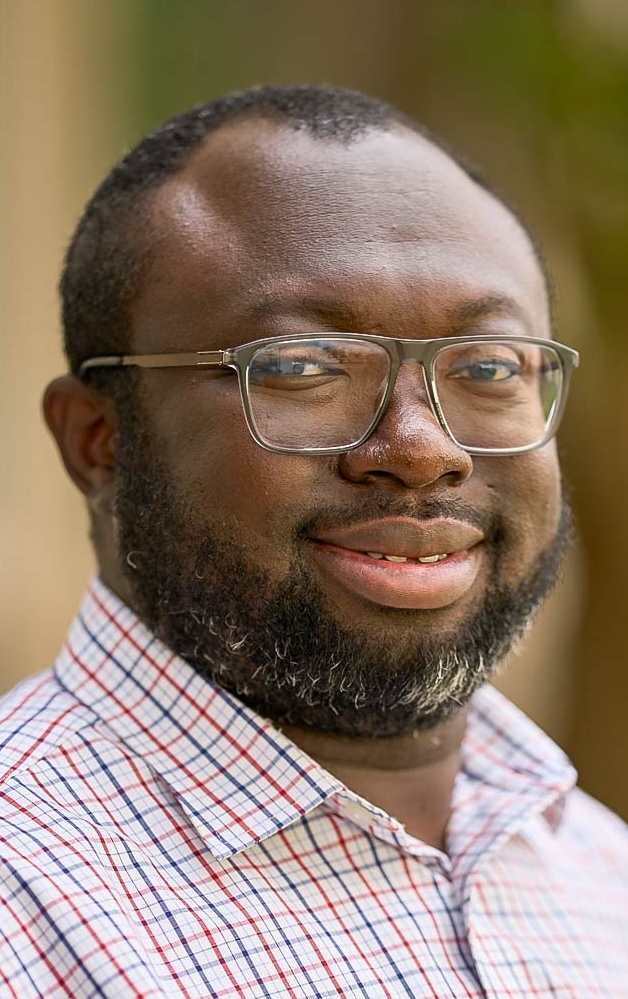
By cultivating skills in qualitative reasoning, counterdeception, and evidence-based argumentation, the project will better prepare students for complex, information-rich environments. Moreover, the modules will be open source and are designed to be customizable, enabling faculty to adapt them for disciplines such as business, law, health, education, and social sciences, thereby benefiting a broader student base. The project will use experimental methods and metrics from human-AI teamwork research to measure complementarity, or the effectiveness of human-AI collaboration, within and across problem-solving scenarios. It will also compare team performance under shared information conditions versus scenarios where humans can access unique contextual insights (‘unobservables’).

Faculty-Specific Initiatives
The Faculty-specific Teaching Fellows carry-out educational leadership and innovation projects in areas such as eLearning, experiential learning, Indigenization and decolonization, and sustainability and climate change education, among others. They are partially seconded to the CTL for a three-year term and receive funding to develop, implement, and conduct research on the impacts of their innovations. They also support educational excellence within their own Faculties by mentoring colleagues, coordinating workshops, facilitating learning communities, and providing other instructional development opportunities.
2024-2027 Teaching Fellows


University-wide Initiative

Nicole Campbell
Associate Professor, Physiology and Pharmacology
Director of Interdisciplinary Medical Sciences
Previous Teaching Fellows
Associate Professor, School of Health Studies
Dan's Teaching Fellowship focused on the development of a MOOC (massive open online course) to facilitate the transition into the discipline of Health Science for first-year students admitted to Western.
Associate Professor, Modern Languages and Literatures
Angela developed an e-portfolio-based curriculum in intercultural communication in the context of a community of practice in Modern Languages and Literatures. With e-portfolio templates, Arts & Humanities students created individual learning plans, demonstrate learning outcomes and showcase creative critical thinking.
Associate Professor, Engineering
Ralph's project involved developing tools to engage students in computer-supported collaborative knowledge building in face-to-face, blended and online courses, using a design-based research methodology.
Associate Professor, Geography
Mike provided new work-integrated and professional experiences for senior undergraduate students. Adopting a ‘tech transfer for the social sciences’ spirit, he integrated campus and community using pedagogical approaches that include: (1) term-length student group projects that are research-driven and experientially-based, (2) the professor as an embedded project member, and (3) community partners as project mentors. Through these features, learning outcomes are built upon a classroom-based, collaborative, and research-driven foundation; together with unique interactions with the professor and community-based experts in the field.
Assistant Professor, Interdisciplinary Medical Sciences and Physiology and Pharmacology
Nicole’s project involved effectively communicating learning outcomes to students and assessing and recognizing student achievement of Western’s core competencies. She developed an interactive visual syllabus that linked program and course outcomes to teaching activities and assessments, design self-assessment rubrics for students to measure their proficiency levels on Western’s core competencies, and incorporate ePortfolios and online badging to support these initiatives. She researched the impact of these initiatives by exploring how improved transparency of outcomes allows students to engage in deeper learning as well as examining the impact of student self-assessment to determine the most effective ways to promote student reflection on and integration of knowledge.
Associate Professor, Geography and Environment
Katrina’s project integrated western science and Indigenous ways of knowing to teach and empower students to take action on climate change through the development of a blended module-based experiential learning course. In partnership with Sara Mai Chitty (Curriculum & Pedagogy Advisor, Office of Indigenous Initiatives) and Dr. Beth Hundey (eLearning & Curriculum Specialist, Centre for Teaching and Learning), the course was developed as a series of online learning modules requiring a shift in the traditional teaching approach, from understanding with our minds to a deeper awareness that comes from Indigenous ways of knowing that engage the mind, body, emotion, and spirit. The course will be the cornerstone for the new Climate Change and Society Major, the first of such programs offered in Canada. The modules will be made available to other courses at Western and at other post-secondary institutions, as well as to interested community groups, governmental agencies, and businesses, with the goal of transforming climate change education!
Assistant Professor, Political Science Department
Peter worked collaboratively with librarians to design online modules that support the development of information literacy skills among undergraduate students.
Associate Professor, Faculty of Education
Using documentaries of this work (www.researchideas.ca), George developed a freely accessible online Math-for-Teachers textbook for the 2-year BEd program. The textbook includes classroom videos, animations, simulations, and interactive explorations.
Tom: Lecturer, Biology & Lindi: Professor, Applied Mathematics
For Tom and Lindi’s joint project, they embedded undergraduate and graduate students into Science education as active and essential partners. To achieve this goal, they developed the Student Fellowship in Science Education, designed and taught a new for-credit multidisciplinary course on the theory and practice of science education, and developed a graduate-undergraduate student mentoring program.
Associate Professor, Music Performance Studies
Aaron’s project, Rethinking Applied Music Instruction, created novel, discipline-specific opportunities for collaboration, knowledge exchange, investigation of teaching practices, and professional development for colleagues teaching the course Applied Music Instruction. To build community around, and capacity in, teaching and learning, Aaron investigated the innovative teaching practices already being employed within the department and broader field, as well as the relevant research literature, and shared those practices back with instructors through retreats, workshops, the Music Pedagogy Speaker Series, classroom observations, and consultations. Aaron also developed a new, graduate-level experiential learning course, Pedagogy Internship, where students teach applied music on an ongoing basis, reflect on their teaching and, within small groups, offer one another feedback and study relevant research.
Assistant Professor, Anatomy and Cell Biology
Charys’ project, Open Access Library of Inclusive Anatomical Science Learning Resources, incorporated equity, diversity, inclusivity, and decolonization (EDI-D) principles in developing inclusive medical terminology and anatomical resources. The resources created will support educators and students in learning about inclusive terminology and why the existing terminology, which is gender-binary and consists of numerous eponyms (anatomical structures named after European men who claimed to discover these structures first), is outdated and inappropriate.
Assistant Professor, Bachelor of Medical Sciences Program BMSUE Educator/eLearning Coordinator
Sarah is an Educator and eLearning coordinator for Basic Medical Sciences Undergraduate Education at the Schulich School of Medicine and Dentistry. Her research interests include assessing students' interactions with online learning materials as well as their perception of the instructor in blended courses. Sarah focused on creating online rat dissection and 'choose your own adventure' experimental simulations that help students gain 'hands-on' anatomy experience in virtual laboratory environments.
Assistant Professor, Biology and Centre for Environment and Sustainability
Paul’s project focused on the impact of immersive technologies (e.g., virtual reality, augmented reality, immersive video) on student motivation, engagement, and scientific literacy in undergraduate and graduate courses at Western. In particular, Paul focused on interdisciplinary environmental courses and engaging students with STEM subject matter related to sustainability and climate change education. He established a research program dedicated to identifying the key benefits of immersive education by testing the efficacy of immersive technologies in properly controlled studies. Paul built capacity for employing immersive technologies at Western by overseeing the development of a virtual library of digital learning objects and creating evidence-based training resources such as online video tutorials and guides.
Associate Professor, Curriculum Studies and Studies in Applied Linguistics
Immaculate developed and facilitated interactive modules, coordinated workshops, and established a community of practice, all centred around maker activities (i.e., technology supported do-it-yourself activities in which participants created physical, sensory, and/or digital objects).
Associate Professor, Electrical and Computer Engineering
Quazi created an online hub designed to engage Engineering students in learning and practicing programming in a variety of programming languages. The interactive online modules created as part of the project introduced programming languages commonly used in industry, research, and high performance computing to students from all disciplines. The modules included playful resources and hands on activities that offer students the option to engage with the modules at their own pace even before joining Western. Ultimately, this project provided students with an enhanced online computer-programming experience that helped them develop skills that are necessary for career opportunities in programming related fields.
Associate Professor, Music Performance
Sophie enhanced the way in which experiential learning is delivered in the International Summer Operatic Program, Accademia Europea dell’Opera, in order to match 21st century professional qualifications demands. To achieve this goal, she (1) expanded the current program with pre-departure, re-entry, and professional development modules to support experiential learning in the program and (2) designed and conducted an assessment of the impact of the program on participants’ learning and professional skills development.
Assistant Professor, Law
David’s project, Co-Teaching in Law Schools, involved developing three distinct approaches to collaborative teaching in law, each prioritizing a key thematic objective of legal education. In the first approach, David collaborated with practitioners to reinforce the integration of theory and practice in the law classroom. This form of co-teaching conveyed how the real-world experience of a practitioner can illustrate and bring to life the abstract principles of the law, and, conversely, how theory and scholarly inquiry can provide explanatory meaning, critical perspective, and recommendations for change to the world of legal practice. With the second approach, David collaborated with a series of co-instructors to expose students to diverse models of legal professionalism, deploying exercises that encourage students to integrate their professional identity with their backgrounds, lived experiences, values, and goals. The third approach brought David together with an instructor from a different discipline to collaboratively design and teach all aspects of a course, as an exercise in robust interdisciplinarity within the law curriculum. During his Fellowship, David also offered a variety of professional development opportunities for colleagues in the Faculty of Law, including a Legal Education Seminar Series that will focus on pressing issues in teaching and learning in law, workshops and resources on collaborative teaching, and pedagogical consultations with faculty colleagues.Associate Professor, Information and Media Studies
Sandra created a community of practice for faculty members interested in enriching current international service learning and research. She developed a new theory/praxis seminar course for FIMS that critically examined concepts and case studies of service learning and how they intersect with the field of media studies and communications.
Professor, English and Writing Studies
Kim’s project involved developing and evaluating two different models of collaborative interdisciplinary pedagogy. The first is a collaboration between Theatre Studies and Psychology, refining an existing community engaged learning partnership across two courses and including City Studio London. The second model is a partnership between colleagues in Theatre Studies and Philosophy who created a course on the work of 17th Century philosopher and playwright Margaret Cavendish. Kim also engaged in a mixed research program with her partners on the course projects, exploring instructor experiences of designing and implementing the two models of collaborative interdisciplinary pedagogy through an auto-ethnographical methodology, as well as determining the impact of those courses on students using survey and interviews.
Professor, Law
Thomas integrated mental health and mindfulness education into Western’s Law program. He raised awareness of mental health issues, reduce stigma, and build student resiliency through the development and implementation of a new mental health education program. He also revised and extended an existing first-year non-credit mindfulness course in Law, creating an optional upper-year for-credit Law course that supported students’ personal, academic, and professional well-being through its focus on mindfulness, emotional intelligence and professionalism. Further, he conducted research on the impact of these mental health and mindfulness initiatives.
Associate Professor, Chemical and Biochemical Engineering
Lauren’s project, Impact of Active Learning on Student Enrolment, Engagement and Career Pathways in Chemical Engineering, involved a complete redesign of a core course in Chemical Engineering to: reflect current, varied career applications of the discipline, and integrate active pedagogies to support student engagement, learning, and career preparation. The course focus shifted from the traditional application of course principles to the oil and gas industry and modernized it to the varied career applications more accurately reflected in the current industry landscape (e.g., health care, the food industry).
Associate Professor, School of Physical Therapy
David designed the curriculum for a new one-year course-based Master’s degree in Interprofessional Pain Management. This unique program was the first collaborative team integrated competency-based (CTIC) graduate program in Pain Management in the world.
Assistant Professor, Department of Statistics and Actuarial Sciences
Bethany's research interests relate to the impact of structured technology-enabled activities and course formats on students' learning and attitudes. Her Teaching Fellow project involved the development and evaluation of adaptive online learning modules that target challenging foundational statistical concepts.