GenAI Challengers
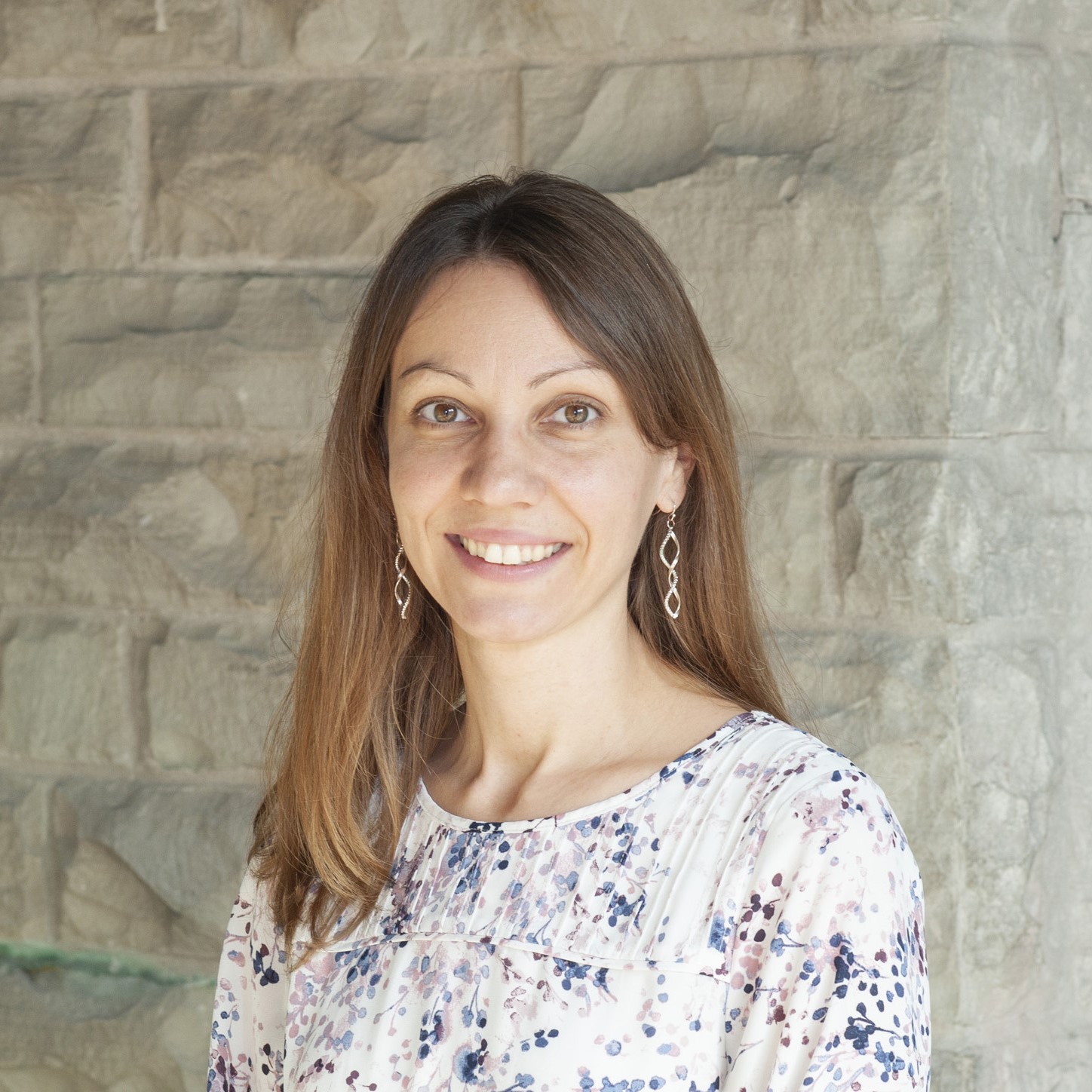
Christina Booker
Christina is a teaching scholar and assistant professor in the Department of Chemistry at Western University and teaches in the Integrated Science program. She serves as vice-chair of the Chemistry Education Division, Chemical Institute of Canada. She is passionate about engaging students in their learning, working to build problem-solving skills, and fostering a sense of belonging for students in science. Christina is exploring how AI tools can be used strategically to support student learning in large-enrolment courses. Hiking, biking, and reading with her family are some of Christina’s favourite activities.

Nica Borradaile
Nica Borradaile is an Associate Professor in the Department of Physiology and Pharmacology, and the Associate Dean Graduate and Postdoctoral Studies for the Schulich School of Medicine and Dentistry. Nica’s research is in lipid metabolism as it relates to liver and vascular complications of obesity. She has approached the use of GenAI as a tool to assist and accelerate analyses of large datasets arising from high throughput measurement of changes in genes, proteins, and metabolites. Through her roles in graduate education, Nica contributed to the development of the SGPS Provisional Guidance for the use of Generative AI in Graduate Studies.

Joshua Foster
Joshua Foster is an Assistant Professor at Ivey Business School (Western University), where he researches how large language models can be used to study and shape economic decision-making. His work combines behavioural economics, market design, and machine learning to explore how preferences are formed, inferred, and aligned in both human and synthetic agents. He also develops interactive AI systems, most notably Sidekick, a personalized tutoring platform designed to support student learning through Socratic dialogue and real-time assessment. Joshua teaches behavioural economics and strategy to undergraduate and MBA students at Ivey.
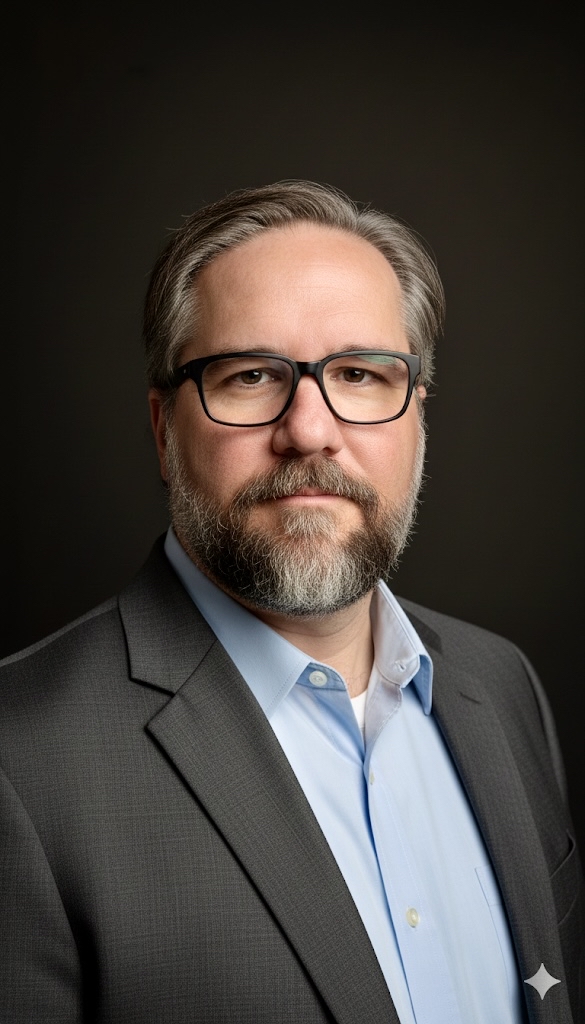
Adam Kantor
Adam Kantor serves as AI Team Lead at the Artificial Intelligence Resource Centre (AIRC) in Western Technology Services. He is focused on generative AI, AI literacy, governance, and integration to support responsible technology adoption in higher education. Adam contributes to campus-wide AI literacy initiatives, leading programming through the Operational Excellence portfolio in HR. Adam holds a Master of Professional Education from Western University and is currently pursuing an MBA with a focus on AI.

John Kausch
John is a PhD Candidate in Library and Information Science at Western University of Ontario with a specialization in information ontology and knowledge organization. John previously served as a data labelling contractor for Scale AI, working closely with machine learning engineers at OpenAI to label text during the training phase for GPT 3. He is also a proponent of knowledge graphs for ethical AI in both academia and industry, and advocates for their use in retrieval augmented generation, active in organizations such as ISKO, ASIS&T SIG CMR, the Document Academy, and the Dataworthy Collective. John's PhD project is towards the construction of a digital classification system called "Real Character Language", a multilingual system of pictograms which uses fuzzy logic to integrate vector databases and knowledge graphs, located at https://realcharacterlanguage.world/. His wider research investigates how translation theory can inform technical implementations of multilingual information systems.

Laura Murray
Laura is the Associate Dean of Graduate and Postdoctoral Studies in the Faculty of Health Sciences and a Professor in the School of Communication Sciences and Disorders at the University of Western Ontario. Her clinical work experiences as a speech-language pathologist have informed and inspired her research, which examines how cognitive deficits (i.e., attention, memory, executive functioning) interact with the language abilities of adults living with aphasia or other acquired neurogenic communication disorders. Her research has also focused on developing assessment and treatment strategies (including use of digital platforms) for acquired neurogenic communication disorders that consider these cognitive deficits and that can be used in clinical settings. Laura has extensively published and presented, to both academic and clinical audiences, in the fields of aphasia, right hemisphere cognitive-communication disorders, dementia, progressive language disorders, epilepsy, traumatic brain injury, and typical aging. She has taught within speech-language pathology and neuroscience programs, and has received several awards for her teaching efforts at both the undergraduate and graduate levels.
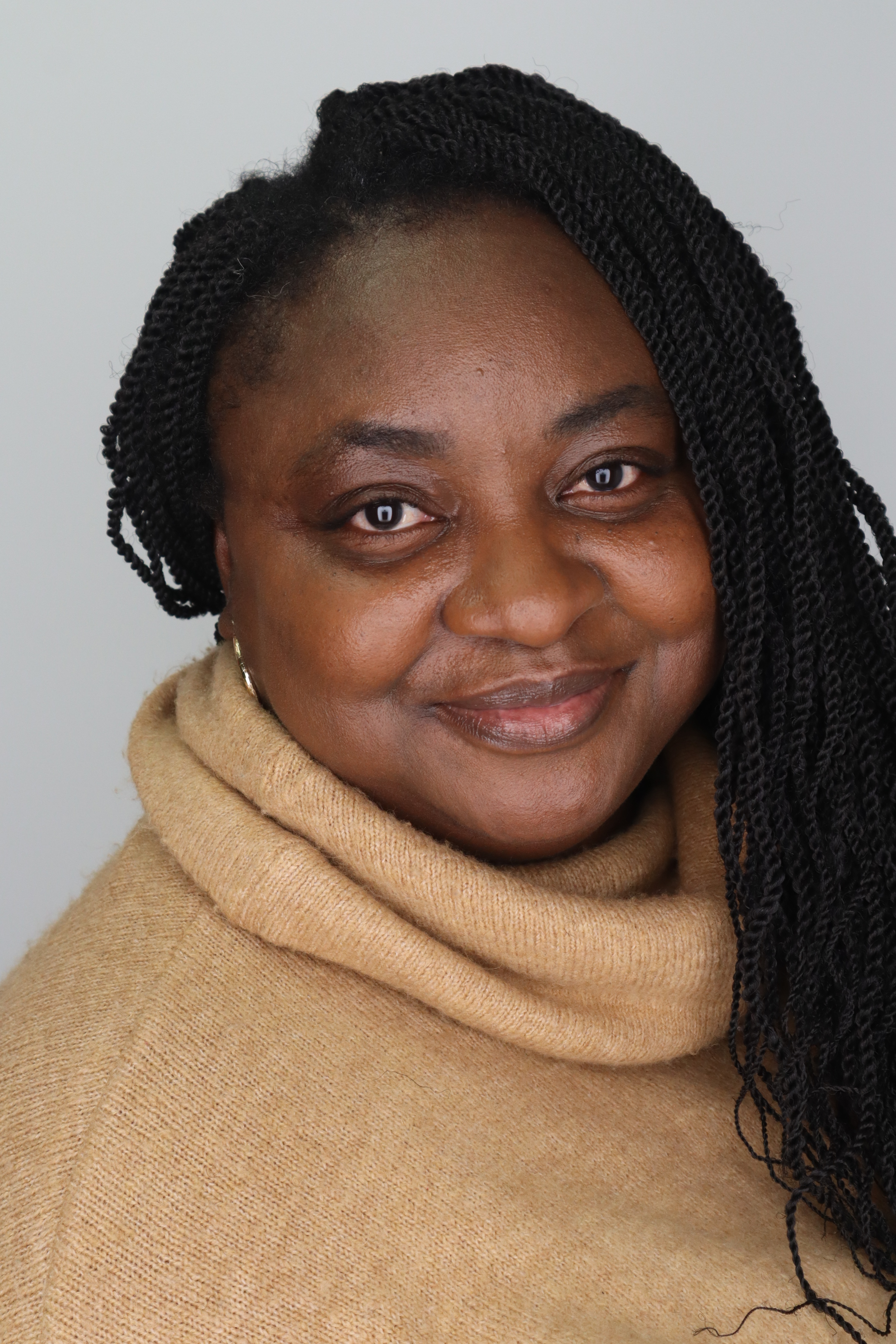
Mary Ndu
Mary Ndu is a Postdoc Fellow and an Adjunct Professor at the Department of Applied Health Science, Faculty of Health Science at Western University. Her work cuts across various aspects of the health system, global health equity, gender-responsive healthcare, and people-centred, community-grounded approaches to health, with a focus on elevating lived experiences and culturally rooted ways of knowing. She is passionate about amplifying and rendering silent voices in practice. She is currently completing research on the conceptualization of Solidarity in Global health with Dr. Elysee Nouvet.
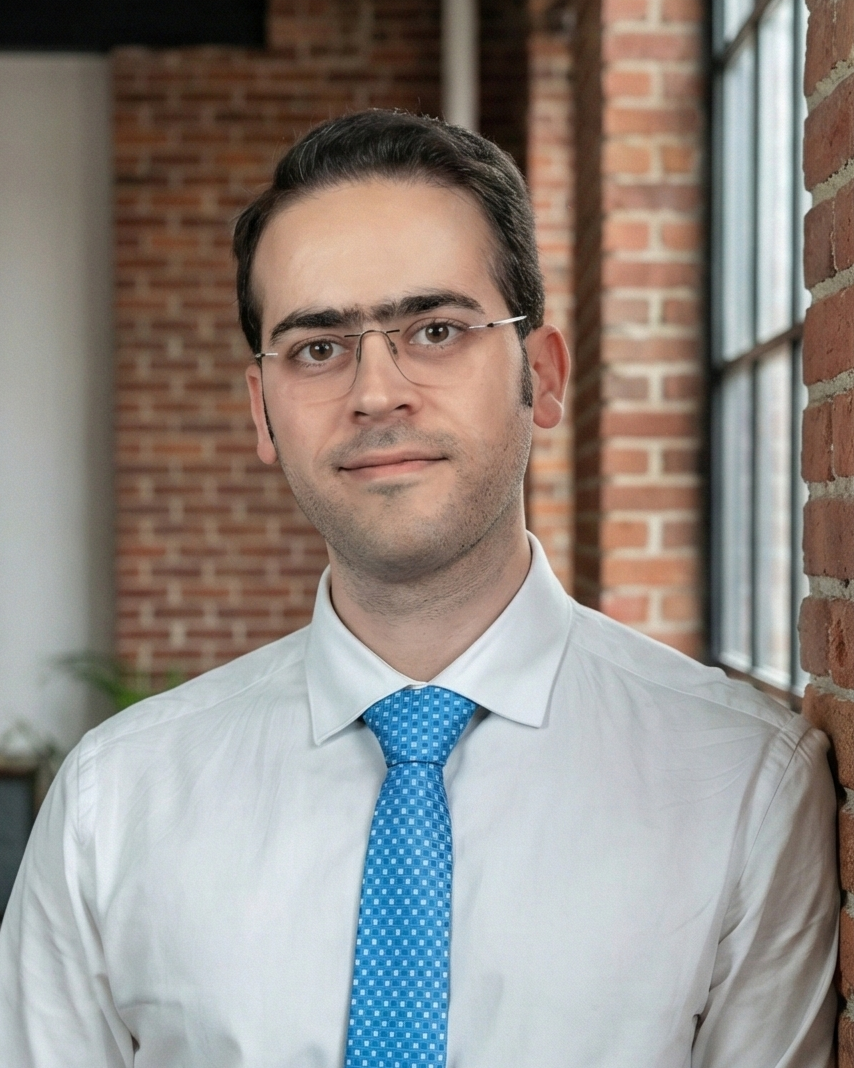
Javad Raeesi
Javad is a PhD candidate in Health and Rehabilitation Sciences at Western University and a registered physiotherapist working in private practice. He has received research grants to investigate musculoskeletal pain management and the efficacy of digital health interventions, such as E-learning platforms, Mixed Realities with therapeutic gaming and AI integrations. Beyond his clinical research, Javad serves as a Teaching Facilitator at the Centre for Teaching and Learning (CTL) at Western, where he supports Teaching Assistant training and helps coordinate Generative AI Challenges initiatives. His broader interests lie at the intersection of AI with healthcare, research and education, focusing on finding potentials of ethical application of generative tools to enhance critical thinking, creativity, productivity and learning.

Atrisha Sarkar
Atrisha Sarkar is an Assistant Professor in the Department of Electrical and Computer Engineering at Western University. Her research focuses on multiagent systems, behavioural game theory, and the development of computational tools to ensure the safety of human-centric AI systems at both individual and societal levels. Her multidisciplinary research has addressed a broad spectrum of topics, including ensuring safety in human-AI interactions for autonomous vehicles and mitigating polarization on online social platforms. She was also part of the team that built one of the first self-driving cars on Canadian roads. Atrisha’s research has appeared in peer-reviewed journals and conferences spanning areas such as artificial intelligence, robotics , and software engineering. She holds a Ph.D. in Computer Science from the University of Waterloo. Prior to joining Western, she was a postdoctoral fellow at the Schwartz Reisman Institute for Technology and Society at the University of Toronto. Before beginning her graduate studies, she spent eight years in the industry, primarily at IBM software labs.
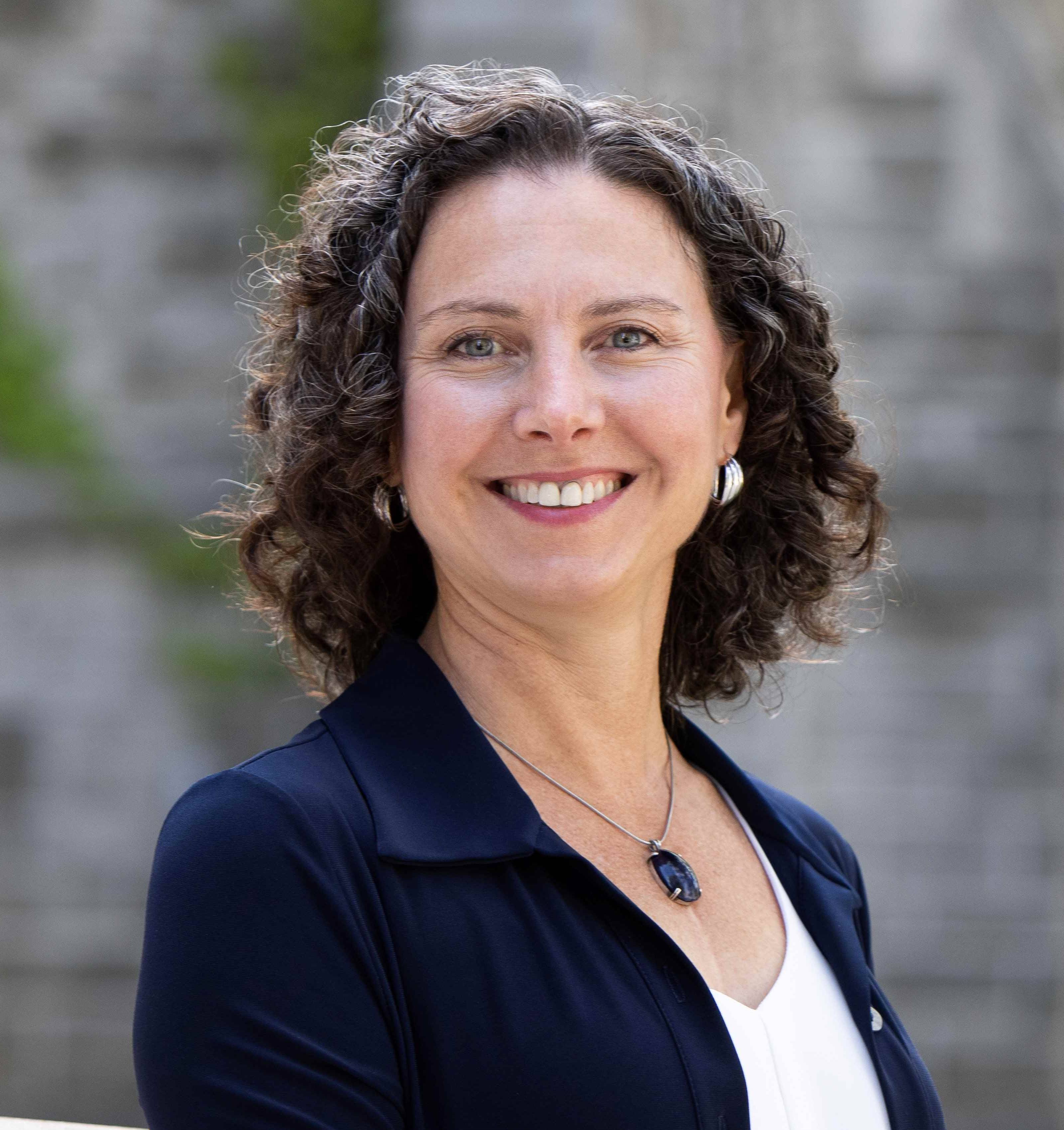
Catherine Steeves
Catherine Steeves is a Senior Librarian at Western University and the Program Director for Artificial Intelligence and Machine Learning for the Ontario Council of University Libraries (OCUL). Catherine was a member of the ARL/CNI Task Force for AI Futures, chaired the OCUL Task Force on AI and Machine Learning and is Western’s former Vice-Provost and Chief Librarian.
Christine Bell
Christine is a teaching scholar and faculty member in Physiology and Pharmacology at Western University whose work focuses on generative AI, feedback literacy, and student agency. She recently received a SSHRC grant to explore how GenAI can help students build stronger feedback literacy skills. She has also published a reflection and faculty guide in Advances in Physiology Education on using a human-in-the-loop approach in an undergraduate laboratory setting, with an emphasis on supporting students as they develop skills in prompt engineering. Her current projects highlight the importance of embedding student voice and agency into feedback processes so learners are empowered to grow their feedback literacy skills.
Mark Daley
Mark is Western's first-ever Chief AI Officer, appointed for a five-year term in October 2023. A respected researcher in the field of neural computation, Mark's career includes a tenure as Vice-President Research at CIFAR, a world-renowned institute supporting AI research and leading Canada's national AI strategy. Additionally, Mark is a multidisciplinary scholar and has held cross-appointments in several departments across campus, including Computer Science, Mathematics, Statistics & Actuarial Sciences, Biology, Electrical & Computer Engineering, and Epidemiology & Biostatistics. Most recently, prior to taking on the role of Chief AI Officer, Mark served as Western's Chief Digital Information Officer leading Western Technology Services (WTS).

Wendy de Gomez
Wendy is a PhD student in the Department of Management Science and Engineering at the University of Waterloo where she researches the process of AI policy formation and its subsequent implementation by modelling both long and short-term externalities of AI development and deployment. Externalities include environmental impacts, political survival, organizational efficiencies, and interest group influence as variables affecting the development and proliferation of AI rules within rule-forming entities such as an organization or government. Wendy is a trained research strategist and data analyst with over 13 years of experience in the public and private sector and believes that a truly holistic perspective of this technology should be paramount in determining its acceleration path.

Carson Johnston
Carson is a Ph.D. student in Philosophy at Western University and a member of the Rotman Institute of Philosophy. Her research sits at the intersection of philosophy of mind, epistemology, and artificial intelligence, focusing on how AI shapes human agency. She investigates the consequences of anthropomorphism in AI design and develops conceptual strategies for using artificial intelligence to advance social and scientific progress. Carson's works aims to inform responsible AI design, policy, and interdisciplinary approaches to emerging technologies. Since starting her program, Carson has been active in Western's AI research community, contributing to Dr. Chris Smeenk's Computational Epistemology Think Tank, the Human–AI Relations Working Group (Rotman Institute), and developing online modules on using AI for graduate research.

Alec Mullender
Alec is a PhD Candidate at the Faculty of Information & Media Studies at Western University, researching critical classification and time/temporality in Library and Information Science (LIS). His work examines the effect of time on systems, processes, and people. He has three cats.

Joanne Paterson
Joanne is a member of the Research and Scholarly Communication Team at Western Libraries, where she supports researcher visibility and impact through tools like ORCID, bibliometrics, and Western's Research Information Management System (RIMS). With an MA in Musicology and an MSc in Information and Library Science, Joanne brings a mix of domain expertise and metadata nerdery to her work—often diving deep into platforms like OpenAlex, ROR, Scopus, and Web of Science to ensure that research outputs are cleanly and accurately represented. She also explores digital humanities tools and methods, working on projects that involve TEI, Palladio, CollectionBuilder, and other open-source platforms to surface hidden stories in historical and institutional data. A lifelong learner, she's currently exploring how AI is reshaping the landscape of scholarly publishing.

Andrew Richmond
Andrew is a Postdoc in the EMRG Lab in the Rotman Institute of Philosophy. He works in philosophy of science, blending methods from philosophy and psychology to study scientific reasoning and especially the way cognitive science and AI make complex systems, like brains and neural networks, intelligible.

Rachel Sandieson
Rachel is the Course Materials Manager at the Dellelce Family Bookstore at Western University, where she supports instructors and students by coordinating textbooks and custom course materials.
With a background as a clinical librarian, Rachel has provided research and curriculum support across multiple departments on campus. Her academic interests include educational technology, collaborative tools, and integrating online learning in library settings. She is especially passionate about accessible education and enjoys exploring innovative approaches to teaching and learning.
Outside of her role at Western, Rachel is a certified yoga instructor, having completed her advanced 500-hour Registered Yoga Teacher training, with a focus on mindful and accessible movement. She brings the same spirit of curiosity and support to her yoga practice as she does to her work in higher education.
Pinar Barlas
Pinar is a Library and Information Science Ph.D. student in the Faculty for Information and Media Sciences at Western University, studying the construction of datasets for machine learning applications, in order to minimize the harmful societal effects of Artificial Intelligence systems. More specifically, Pinar is investigating the ethical implications of data cleaning practices. Previously, Pinar was a Research Associate for the Fairness and Ethics in AI-Human Interaction Multidisciplinary Research Group at the CYENS Centre of Excellence. Pinar has a BA in Cultural Studies & Communication, an MA in Interaction Design, and brief experience in the industry as a User Experience and Service Designer.

Dan Bousfield
Dan is an Assistant Professor in the Department of Political Science at Western University in London, Ontario. His current research focuses on the role of AI in educational assessment and pedagogy, examining how generative AI, such as large language models (LLMs), challenges traditional approaches to writing, citation, and assessment in International Relations education. His broader academic work addresses international relations, political economy, and critical theory, with particular attention to race, neoliberalism, digital diplomacy, and the political implications of technology.

Noah Kostesku
Noah is an undergraduate student at Western University pursuing an Honours Specialization in Computer Science. He currently works as a Project Manager at Tech for Social Impact, where he co-leads a team developing technology solutions for non-profits to drive social change through accessible design. Noah also serves as a Research Assistant at Western, focusing on Explainable AI in the context of credit risk. His work aims to create interpretable machine learning models that promote transparency and fairness in financial decision-making. Passionate about the intersection of technology and ethics, he plans to pursue postgraduate studies to further explore ethical AI and its potential to shape more just and responsible systems.

James Shelley
James is a member of the Research Office in the Faculty of Health Sciences. He is a process strategist and in-house software developer, focussed on leveraging advancements in automation, analytics, and AI to support strategic, institutional initiatives. James is currently leading several AI-enabled projects at Western University in the areas of research administration, knowledge mobilization, and science communication.

Stephen Spong
Stephen is Western's Copyright Officer as well as a member of Western Libraries' Teaching and Learning team. Prior to this he was the Director of the John and Dotsa Bitove Law Library at Western Law. Over the course of his career, he has worked in a number of libraries in Canada and the United States. He holds a J.D. from Osgoode Hall Law School and a M.I. from the University of Toronto's iSchool.

Luke Stark
Luke is an Assistant Professor in the Faculty of Information and Media Studies at Western University in London, Canada. He is Co-Director of the Starling Centre for Just Technologies and Just Societies at Western and is a CIFAR Azrieli Global Scholar in the Future Flourishing Program. Luke is the Principal Investigator on Insight Development and Insight Grants funded by the Social Sciences and Humanities Research Council of Canada (SSHRC) and is the recipient of numerous competitive internal grants and awards from Western University. Luke received his PhD from the Department of Media, Culture, and Communication at New York University in 2016, and holds an Honours BA and MA in History from the University of Toronto. His current book project Reordering Emotion: Histories of Computing and Human Feeling from Cybernetics to Artificial Intelligence is under contract with the MIT Press.

William J Turkel
William is Professor of History at the University of Western Ontario and internationally recognized for his innovative work in digital history. He uses machine learning, text mining, and computational techniques in his study of the histories of science, technology and environment, drawing on many decades of programming experience. He is author of Spark from the Deep (Johns Hopkins, 2013), The Archive of Place (UBC, 2007) and the open access textbook Digital Research Methods with Mathematica (2nd ed 2019). His current research focuses on the development of computational environments to support hybrid human-AI teamwork in the social sciences. Dr. Turkel is a member of the College of New Scholars, Artists and Scientists of the Royal Society of Canada (2018-25) and a recipient of the Wolfram Innovator Award (2020).